TETOVO POETRY NIGHT
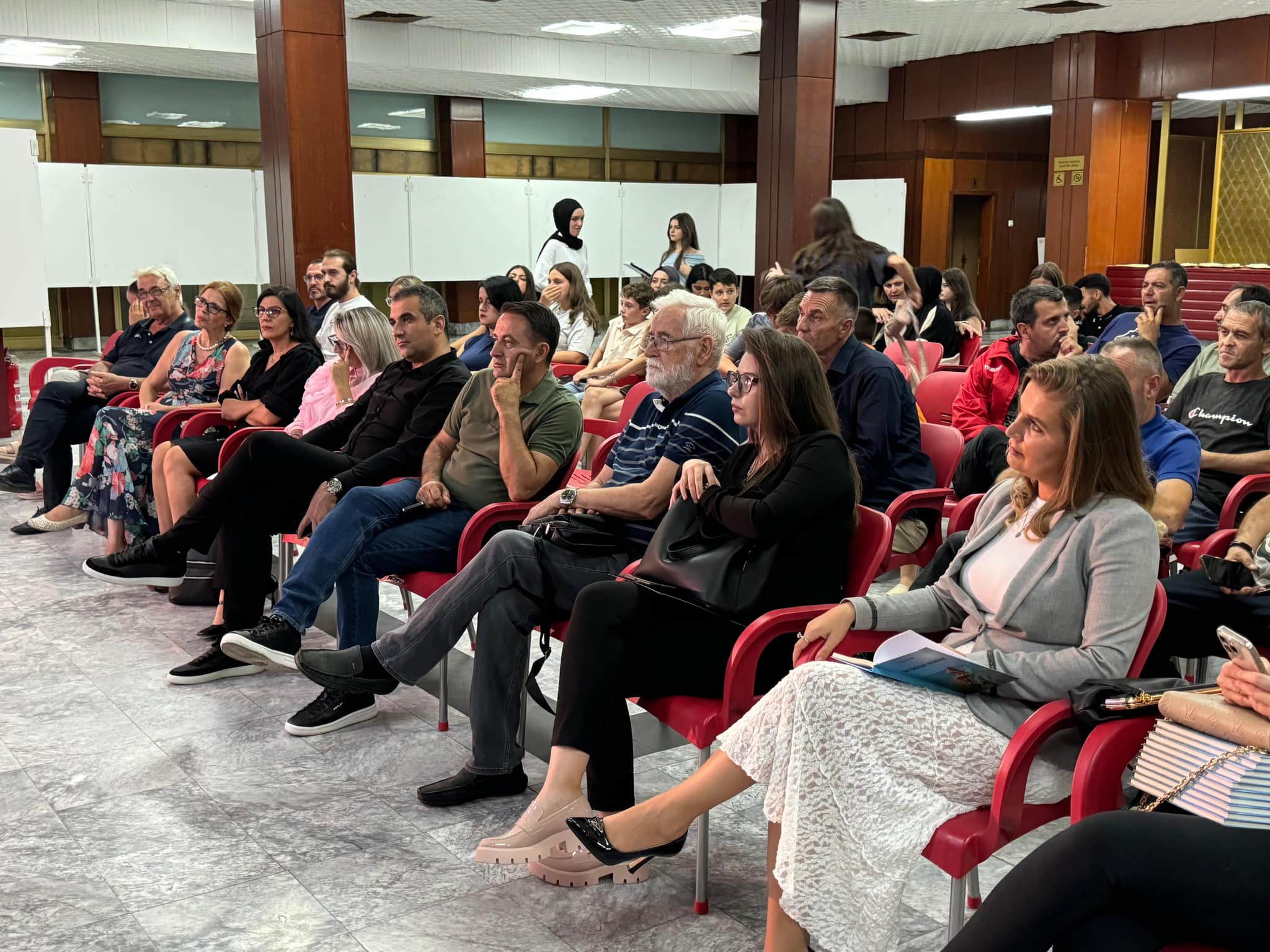
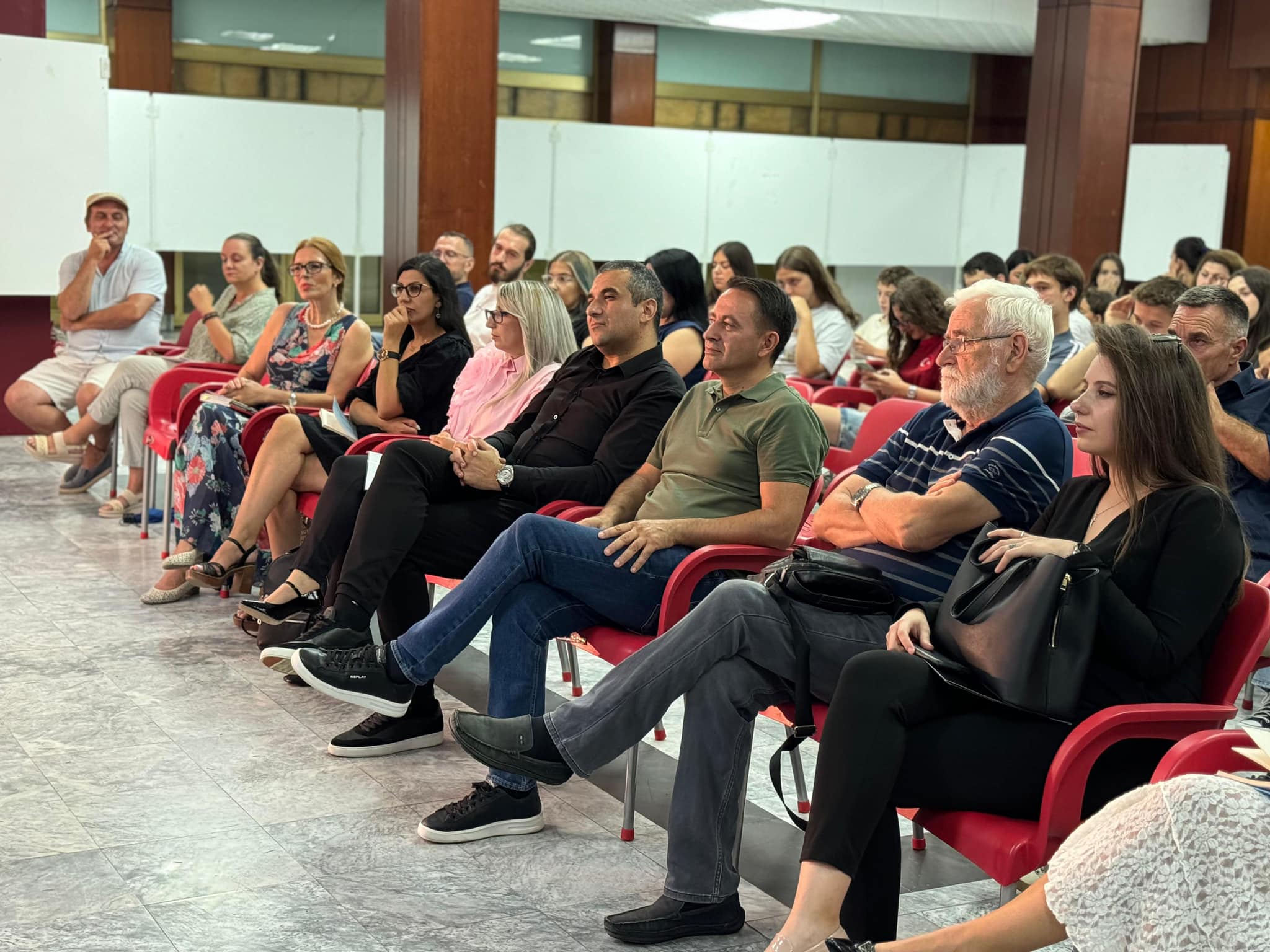
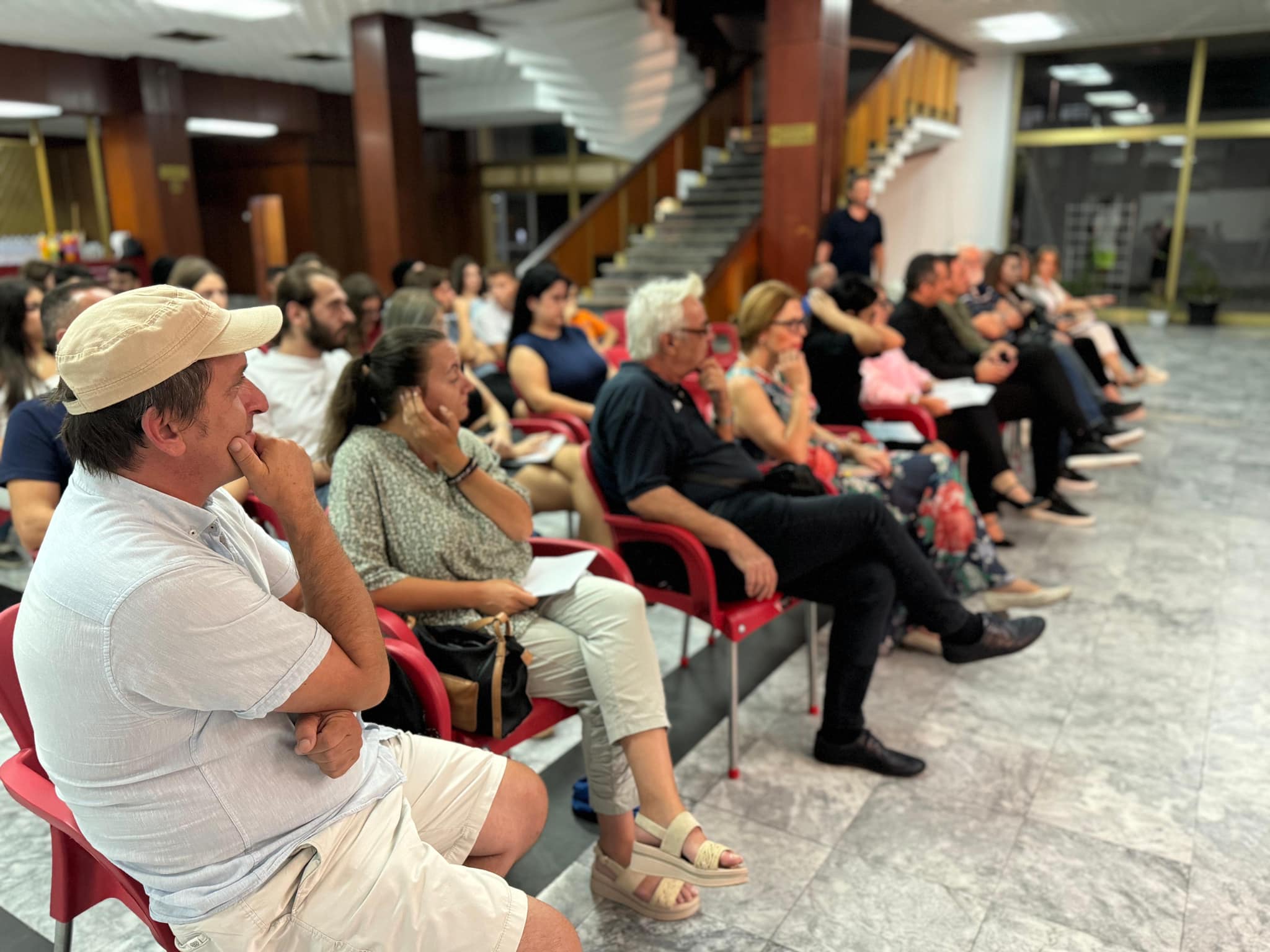
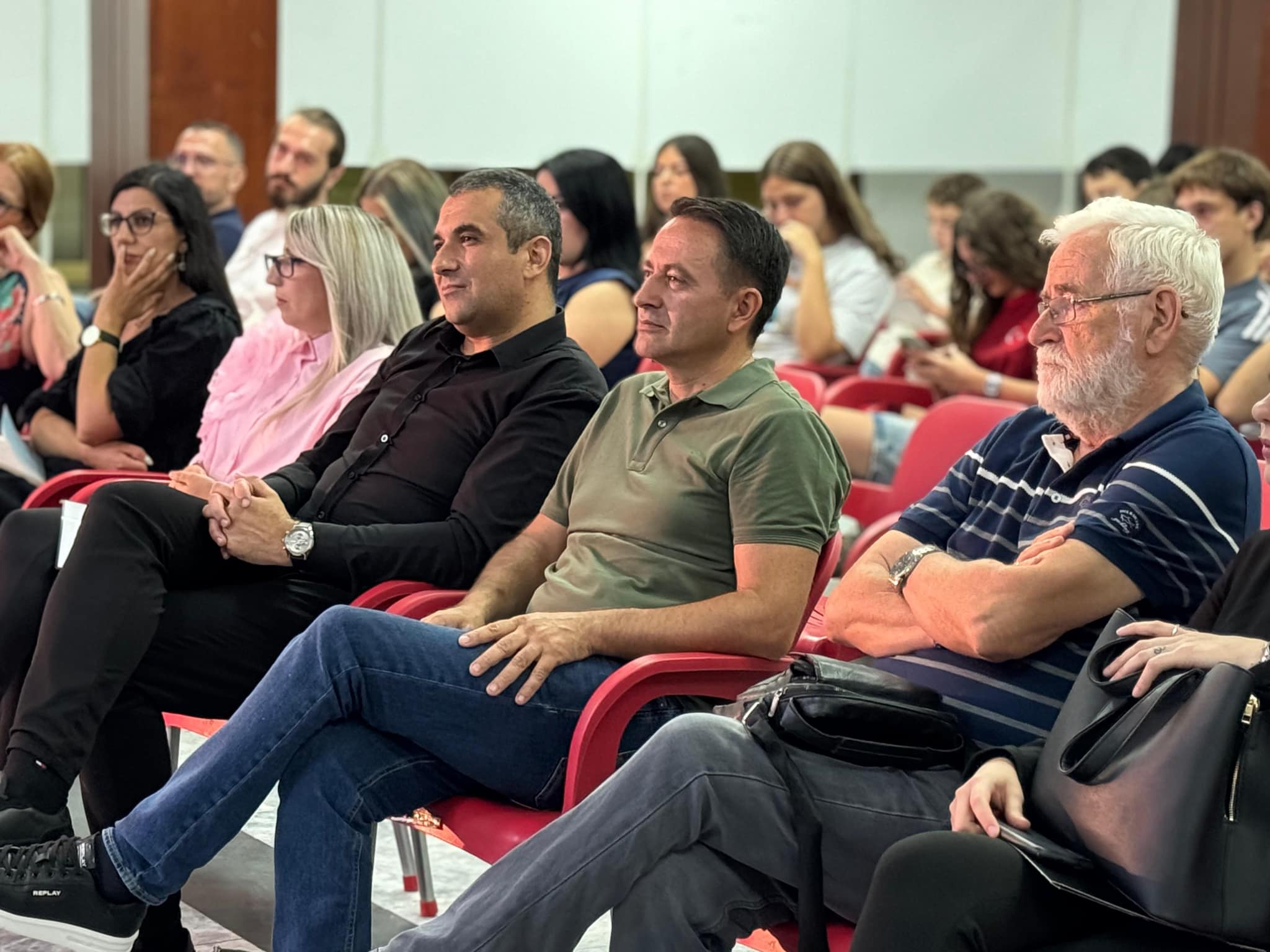
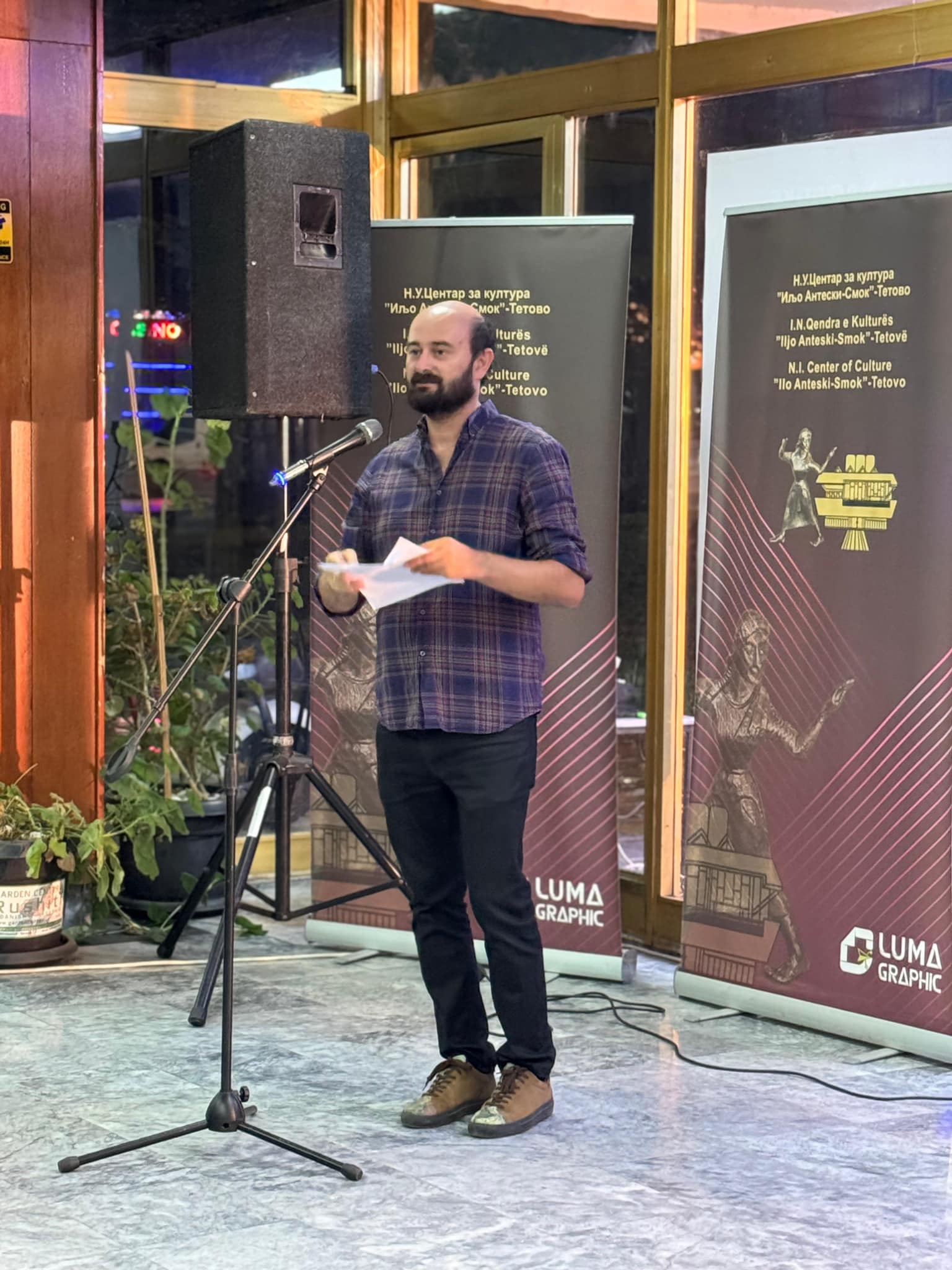
On August 29, Thursday, the Cultural Center held a literary evening titled “Tetovo Poetry Nights,” a project supported by the Ministry of Culture. The event was attended by friends and lovers of literature and poetry, poets from all communities in the country, representatives of local and central government, the director of the Cultural Center, Vullnet Fejzullai, the former state secretary of the Ministry of Culture, Arlind Huseini, the artistic director of the Cultural Center, Shpëtim Selmani, etc.
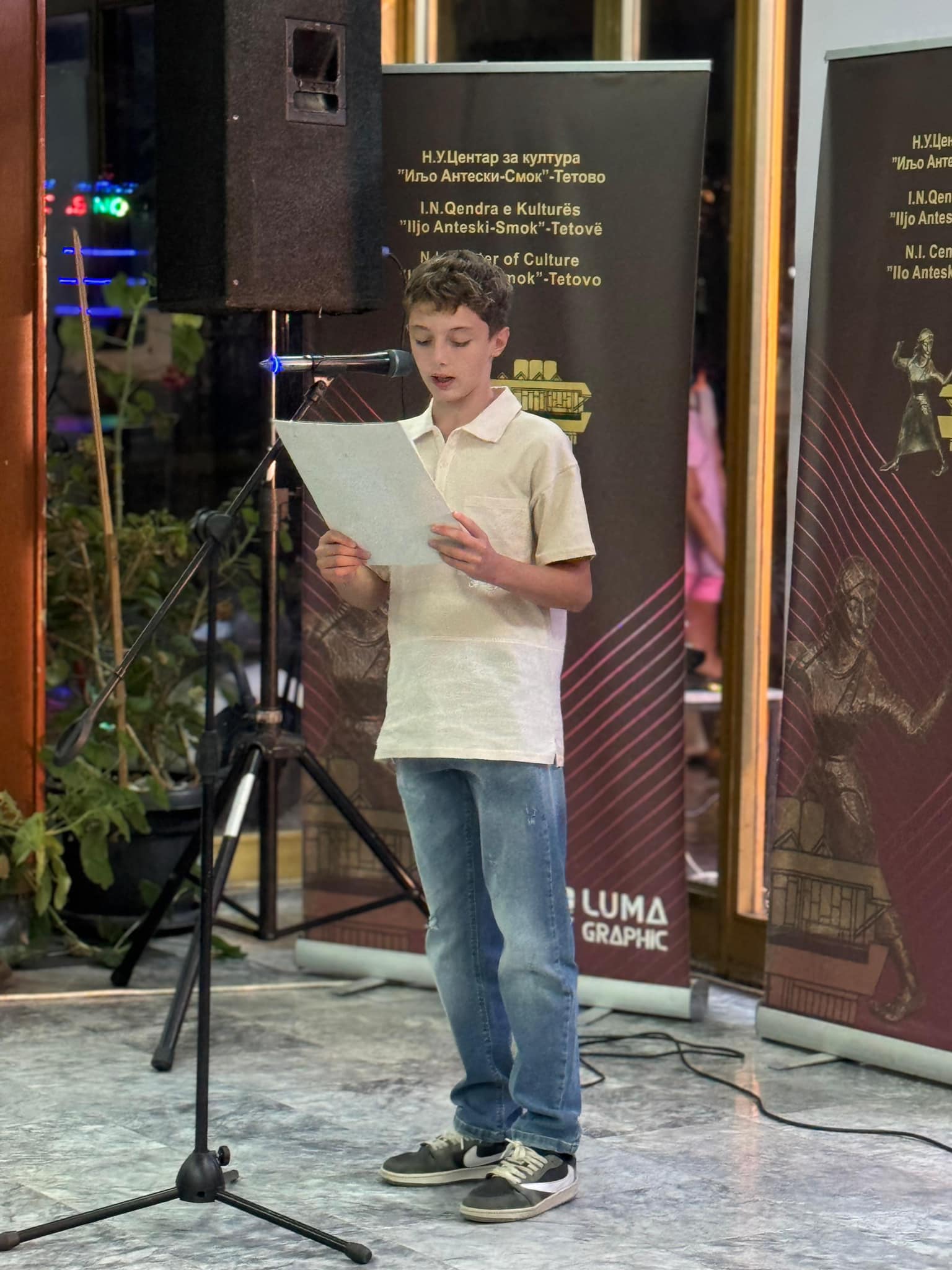
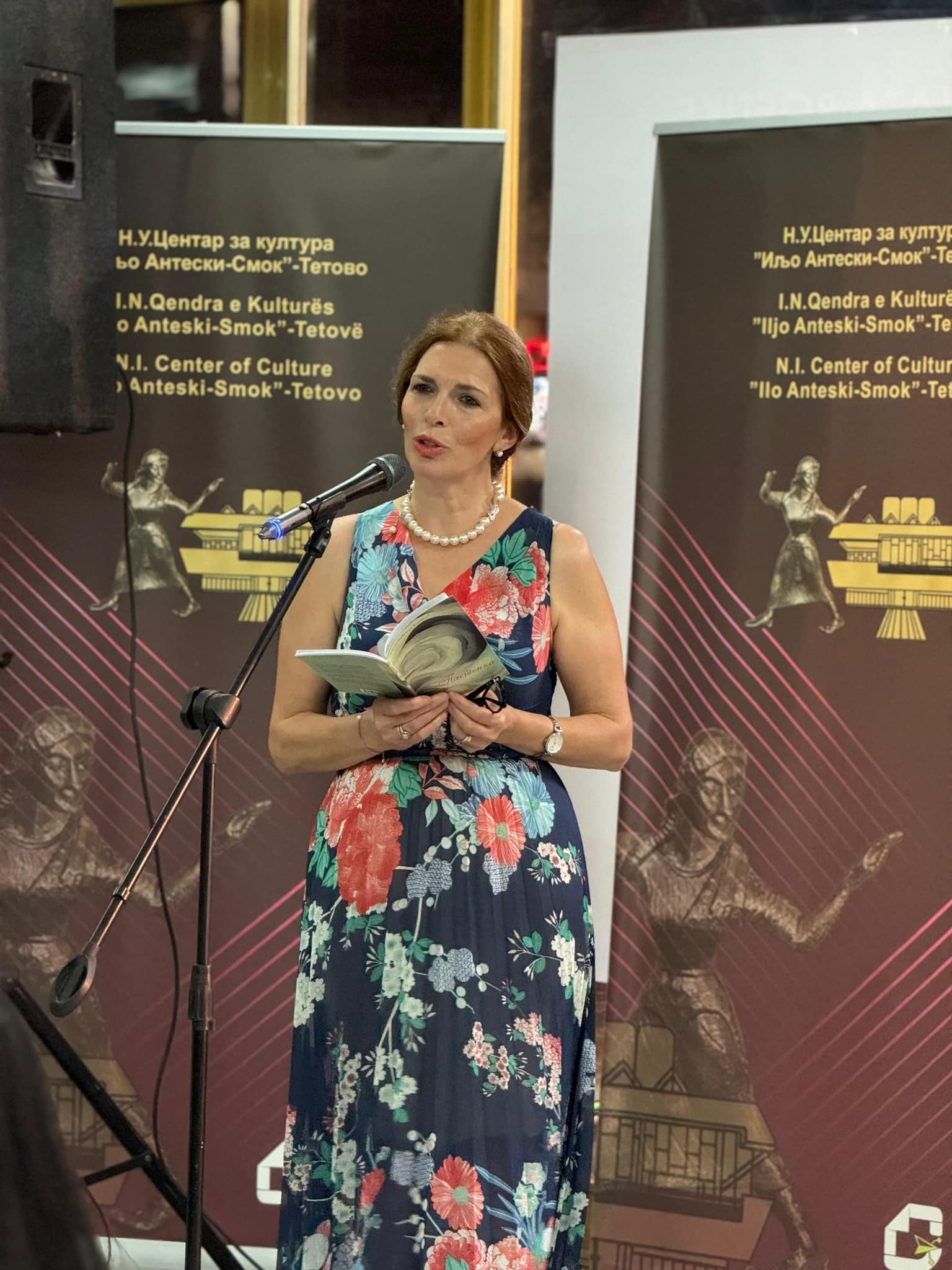
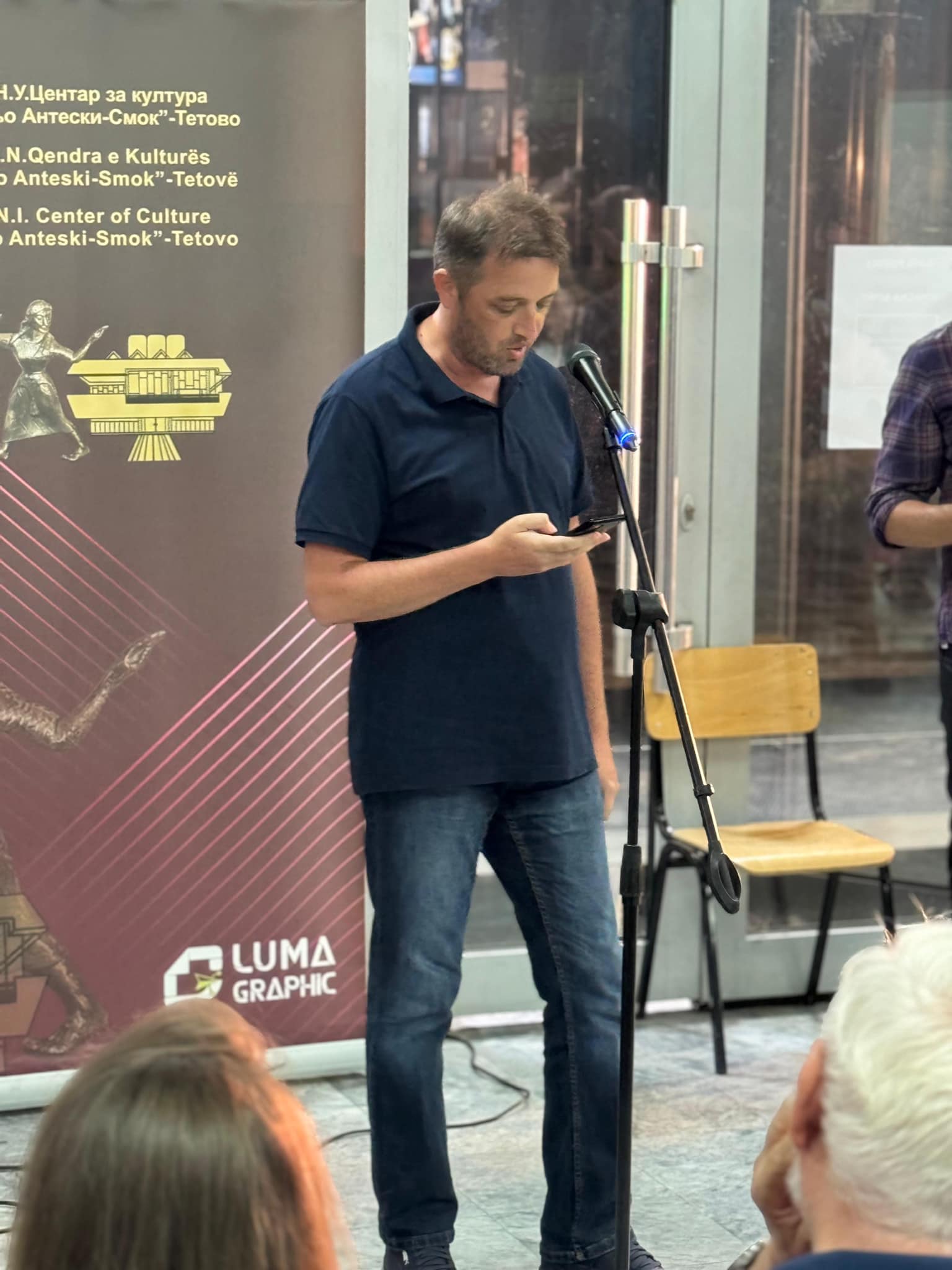
Several poets from the country presented their works, including Artan Arsllani, Valdeta Dulahu, Fatjona Abdualli, Ezana Qamili, Lirim Alija, Ajnur Dehari, Zanë Mali-Ballanca from Kosovo, who was the special guest of the evening, Sllavica Dabevska Kirovska, Pero Sarxhovski, Milena Ilievska, Mirko Vidoeski, Angella Andonovska, Medine Idrizi, Besnik Kahja, Elis Nebi, and others, who read their works each in their own language.
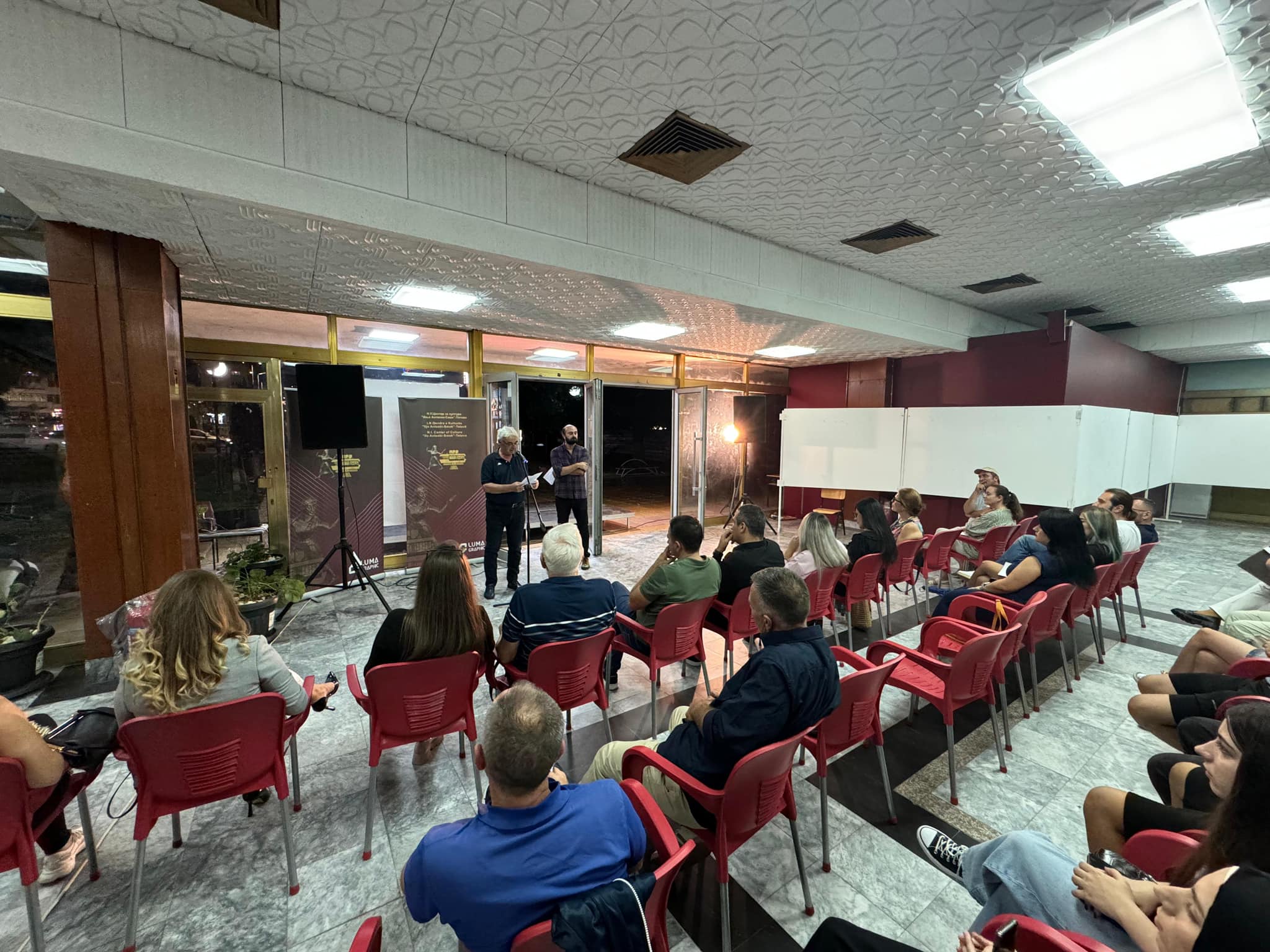
The event was hosted by Anamarija Blazheska and university professor Arlind Farizi, who opened the literary evening by emphasizing that poetry is not just a collection of twisted words like black crows on a trembling wire. True poems are buried under stones, in cemeteries, in alleys and bars. True poems lie in hospitals begging for alms at street corners, marching through financial institutions, and filling bags at government doors; they are in taxis, factories, and prisons waiting for judgment. True poems scream beyond the page, resonating with pride and without fear of false critics—words taken from Adrian Manning.
“Tetovo Poetry Nights” bring together the most articulated voices of literature created in North Macedonia—poetry that is multilingual, multicolored, poly-identitarian, multicultural, and multimedia-based, with common denominators of emotion, feeling, and the pleasure of listening, reading, and rereading. Well-known poets from the region are part of this literary scene—poets that every nation would wish to have in abundance, poets who, through their original poetry and literature, honor culture and literature. In fact, a truly good poem should be read aloud, said Borges. Good poetry does not allow itself to be read in silence or in a low voice. If we read it silently, it is not a valuable poem. It always remembers that before becoming written art, it was oral art. It remembers that it was the first song.
At the end of the event, the director of the Cultural Center, Vullnet Fejzullai, awarded certificates of appreciation to the participants who read their works that evening.